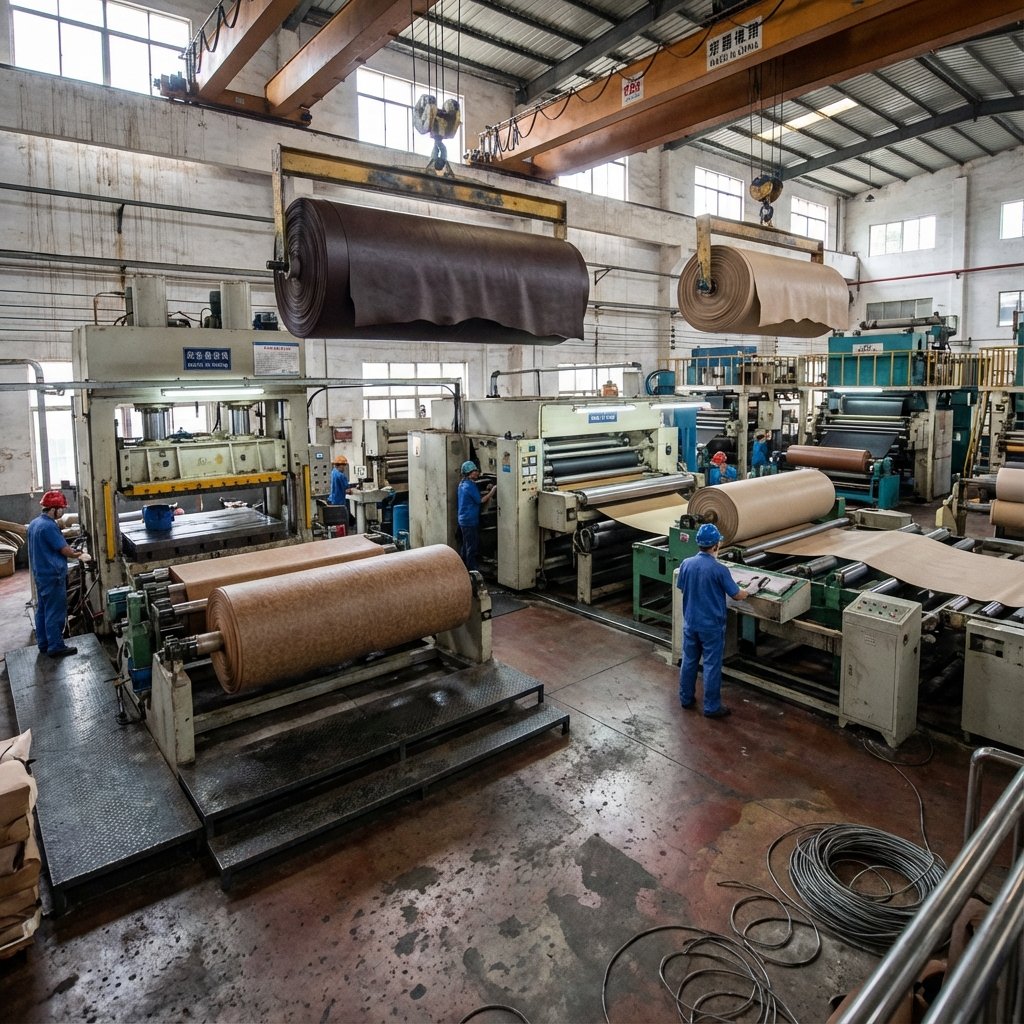
•5 min read
The History of Leather & PU Production Belt Shifts
Unlike textiles, leather and PU production is shaped by environmental pressure and policy. We trace how these production belts have moved across Asia.
From yarn to finished garments: Fabric markets and supply chains.
Unlike textiles, leather and PU production is shaped by environmental pressure and policy. We trace how these production belts have moved across Asia.
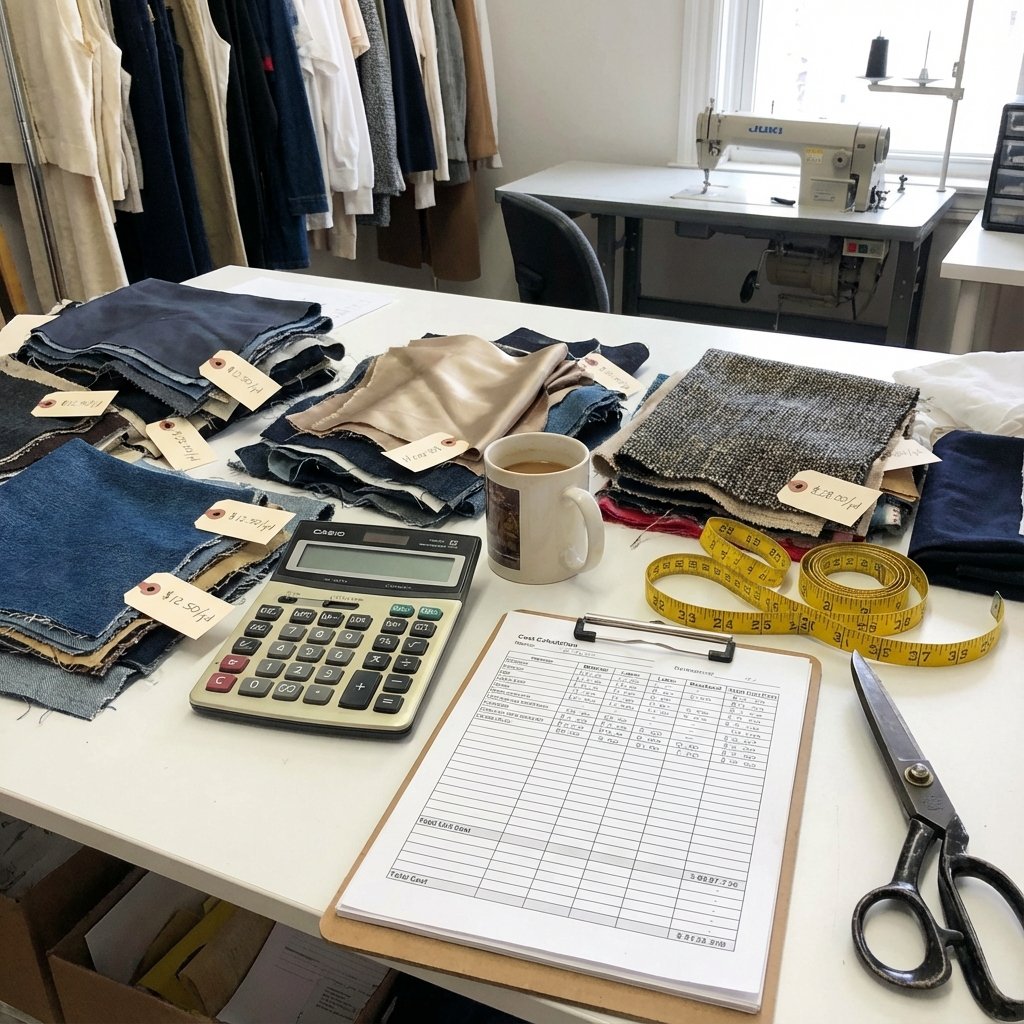
Fabric prices do matter—but not in the simple, linear way many buyers assume. We examine how materials interact with production structure, scale, and risk.
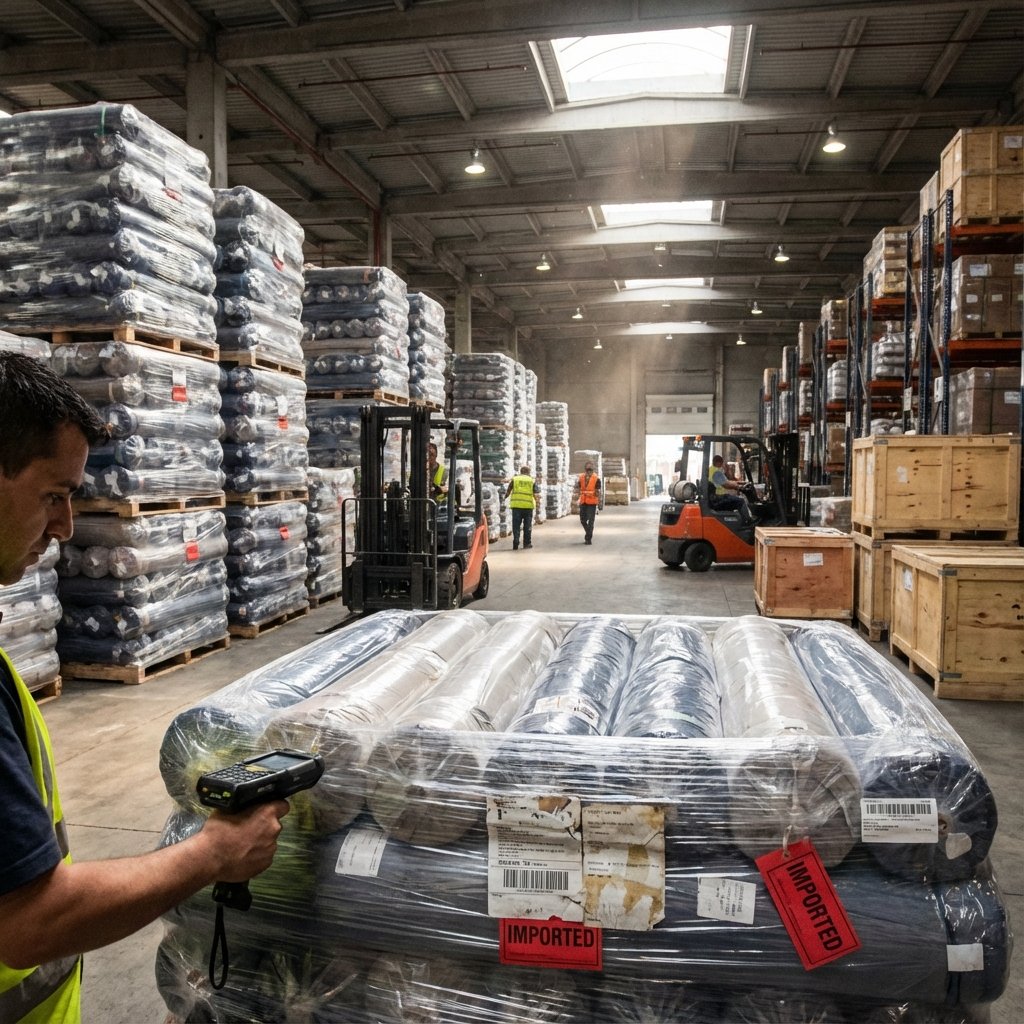
In the fashion industry, the term “imported fabric” is widely used—and just as widely misunderstood. We explain the difference between a customs label and a quality guarantee.
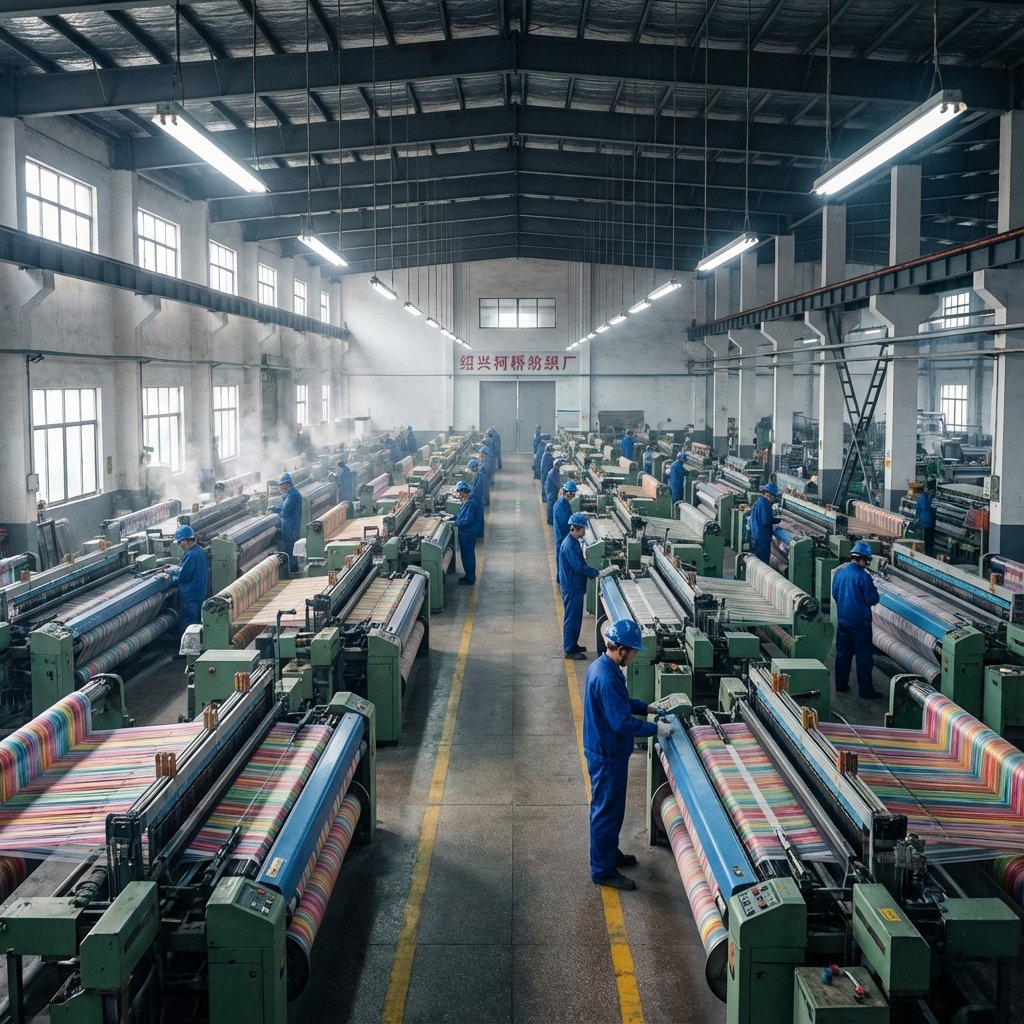
Located in Shaoxing, Zhejiang Province, Keqiao is widely recognized as the largest fabric production and trading base in China. It represents scale, upstream control, and industrial concentration.
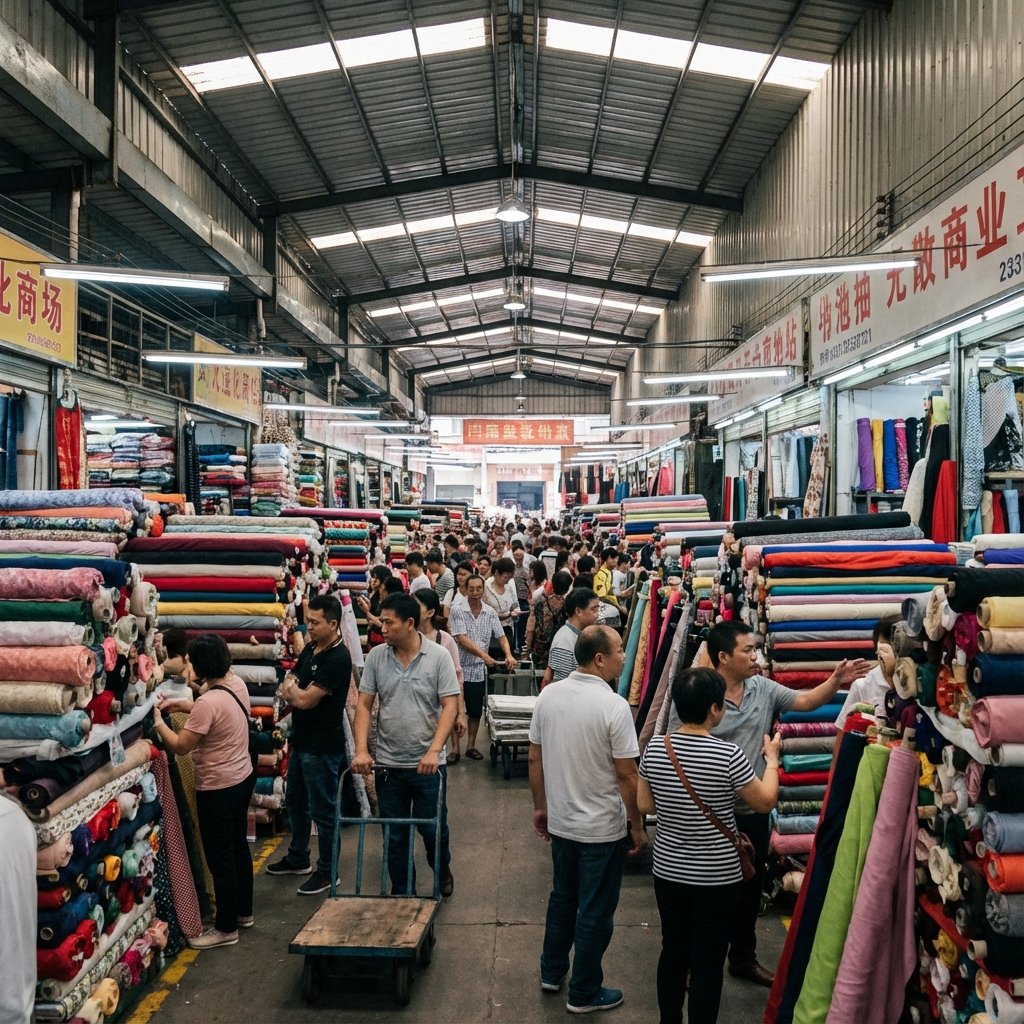
Zhongda Fabric Market is widely regarded as the core of southern China’s textile and fabric trading ecosystem. Located in Guangzhou’s Haizhu District, it functions as a dense decision hub for the Asian fashion supply chain.